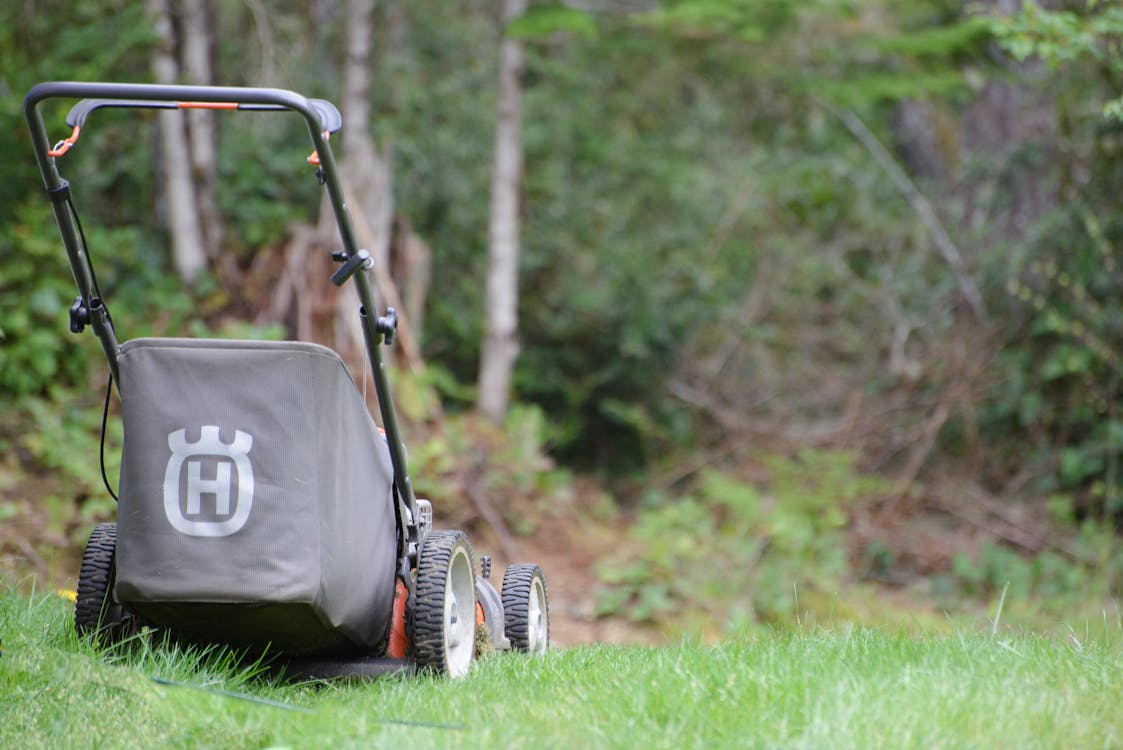
A well-maintained lawn not only enhances the aesthetic appeal of your garden but also contributes to a healthier and more enjoyable outdoor environment. Regular lawn maintenance is essential for preserving the vibrancy of your grass, reducing the risk of pests, and promoting strong, sustainable growth. Whether you have a small garden or a large expansive yard, understanding the importance of regular lawn care and following best practices can make a world of difference.
Maintaining your lawn is not just about mowing every once in a while. It requires a series of tasks throughout the year that keep the grass in optimal condition, helping it withstand the stresses of weather changes, foot traffic, and natural elements. With proper care, your lawn can stay lush and green, providing a comfortable space for relaxation, outdoor activities, or simply enjoying the beauty of nature.
Mowing: The Foundation of Lawn Care
Mowing is one of the most fundamental aspects of lawn maintenance. Regular mowing helps keep grass at the ideal height, which promotes healthy growth while preventing weeds from taking over. However, it’s important to follow the right mowing practices to avoid damaging your lawn.
First, make sure to mow the grass when it is dry to prevent clumping and uneven cuts. Cutting too much at once can stress the grass, so it’s best to never remove more than a third of the grass height at a time. Additionally, vary your mowing pattern each time to prevent compaction in the soil and reduce the risk of wear patterns.
The choice of lawnmower is also important in achieving an even cut. While smaller gardens may benefit from lightweight, electric mowers, larger lawns often require more powerful options like rotary or ride-on mowers. Specialists like Ron Smith offer a range of lawnmowers designed to suit different garden sizes and mowing preferences, ensuring you have the best tool for the job.
Watering: Hydration for Healthy Growth
Watering your lawn is essential to ensure healthy growth, especially during dry spells. However, the timing and frequency of watering can have a significant impact on your grass’s health.
It’s important to water deeply but infrequently, encouraging the roots to grow deep into the soil. Shallow watering promotes weak roots and makes the grass more susceptible to stress. Early morning is the best time to water, as it allows the lawn to dry out during the day, preventing fungal diseases. Watering in the evening should be avoided, as this can encourage mold growth due to excessive moisture overnight.
During periods of drought or in the hotter months, you may need to increase the frequency of watering. However, be mindful not to overwater, as this can lead to waterlogged soil and the development of shallow root systems.
Fertilizing: Providing Nutrients for Growth
Lawn fertilization is crucial for supplying essential nutrients like nitrogen, phosphorus, and potassium, which are necessary for healthy grass growth. Fertilizing your lawn at the right times of year will ensure the grass stays strong and green.
In general, lawns benefit from fertilization in early spring, late spring, and early autumn. Spring and early summer fertilizers help stimulate growth and recovery, while autumn fertilizers focus on strengthening the roots for the colder months. Be sure to follow the instructions on the fertilizer package, as over-fertilizing can burn the grass and harm the environment.
It’s important to choose the right type of fertilizer for your lawn’s needs. Slow-release fertilizers are ideal for maintaining consistent nutrient levels, while fast-release fertilizers provide a quick boost of nutrients but require more frequent application.
Aerating: Promoting Airflow and Root Health
Aeration is the process of creating small holes in the soil to allow air, water, and nutrients to reach the grass roots. Over time, the soil in your lawn can become compacted, especially in high-traffic areas, preventing the roots from receiving the necessary elements for growth.
Aeration is typically done in the fall or spring, depending on the type of grass you have. This practice helps reduce compaction, encourages healthy root development, and improves drainage. It also provides a better environment for the growth of new grass, especially after overseeding.
You can hire a professional to aerate your lawn or rent an aerator from a garden center to do it yourself. This is an especially important step for lawns that experience heavy foot traffic or that have clay-heavy soil.
Weed and Pest Control: Keeping Your Lawn Safe
Weeds and pests are two of the most common threats to a healthy lawn. Weeds can quickly invade your lawn, competing with the grass for water, nutrients, and sunlight. Pests, such as grubs and chinch bugs, can cause significant damage to the root system and disrupt the overall health of the lawn.
Preventing weeds starts with a healthy lawn. Grass that is well-fed, regularly mowed, and properly watered is less likely to be overtaken by weeds. However, in some cases, additional treatments may be necessary. Herbicides can be used to target specific weeds, but it’s important to choose environmentally friendly options and follow the manufacturer’s instructions carefully.
Pest control can be tricky, as different pests require different approaches. Natural methods, such as introducing beneficial insects or using organic pesticides, can be effective for maintaining a balanced ecosystem in your lawn.