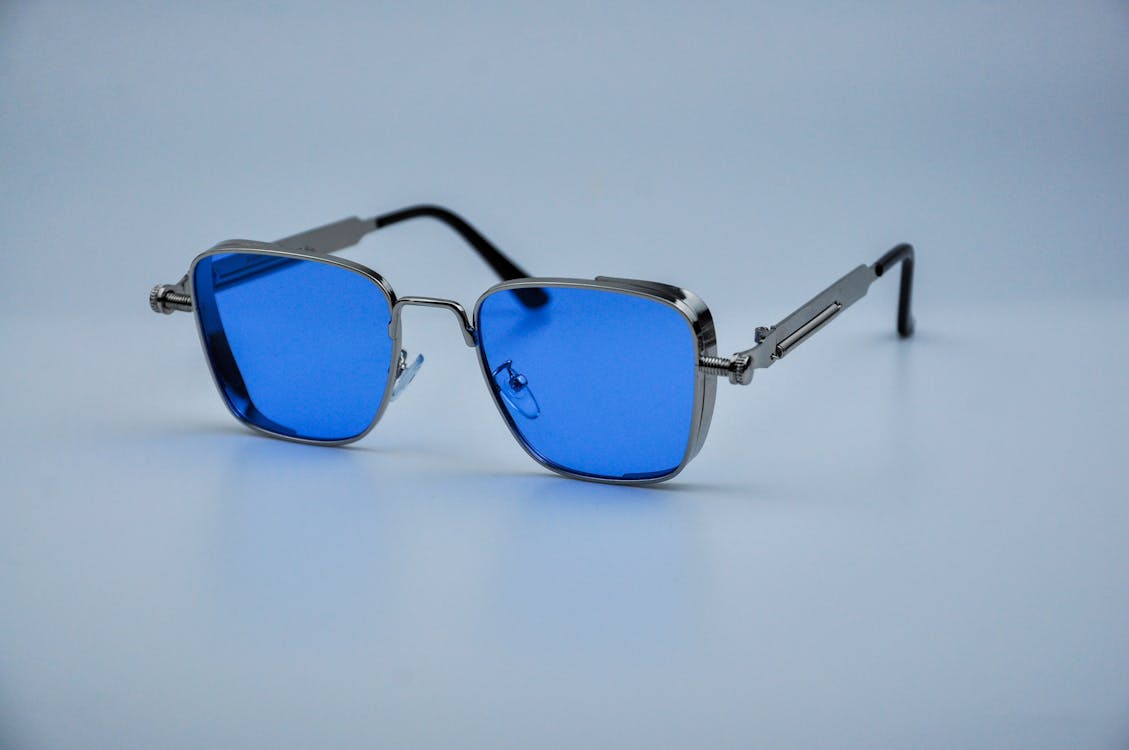
eyewear is no exception. Sunglasses, once viewed primarily as style accessories, are now being reimagined with a focus on eco-friendly materials and ethical production practices. This article explores the innovative materials and practices behind sustainable sunglasses and highlights brands championing these changes.
The environmental impact of fashion, including eyewear, cannot be overlooked. Traditional sunglasses often use petroleum-based plastics and non-renewable resources in their production. These materials contribute to pollution and take decades to decompose, exacerbating the plastic crisis. By choosing sustainable sunglasses, consumers can reduce their ecological footprint and support a shift toward more responsible manufacturing.
Innovative Materials in Sustainable Sunglasses
- Recycled Plastics:
- Many brands are now using recycled plastics from ocean waste, discarded fishing nets, or old plastic products. This approach reduces landfill contributions and repurposes materials that would otherwise harm marine ecosystems.
- Bio-Acetate:
- Bio-acetate is a plant-based material made from renewable resources like wood pulp and cotton fibres. Unlike traditional acetate, bio-acetate is biodegradable and offers a sustainable alternative without compromising durability or style.
- Bamboo and Wood:
- Bamboo and reclaimed wood are becoming popular choices for sunglass frames. These materials are naturally renewable, lightweight, and provide a unique aesthetic.
- Recycled Metals:
- Frames made from recycled aluminium or stainless steel are durable, stylish, and environmentally friendly. These metals can be recycled indefinitely without losing quality.
Sustainable Production Practices
In addition to using eco-friendly materials, sustainable brands are adopting innovative manufacturing practices to minimize environmental impact:
- Energy Efficiency: Solar-powered factories and energy-saving production methods reduce carbon emissions during manufacturing.
- Water Conservation: Recycling and purifying water used in production processes helps conserve this precious resource.
- Ethical Labour: Sustainable brands prioritize fair labour practices, ensuring safe working conditions and fair wages for workers.
Choosing Sustainable Sunglasses
When looking for eco-friendly sunglasses, consider the following factors:
- Material Transparency: Check if the brand discloses the materials used in its products and the environmental benefits of those materials.
- Certifications: Look for certifications like FSC (Forest Stewardship Council) for wood-based products or Ocean Bound Plastic for recycled plastics.
- End-of-Life Options: Brands that offer recycling or take-back programs contribute to a circular economy by extending the life cycle of their products.
Leading Brands in Sustainable Sunglasses
Several brands are at the forefront of the sustainable eyewear movement, combining style, quality, and eco-consciousness. Among them is Faded Days Sunglasses UK, which offers a range of stylish sunglasses crafted with sustainability in mind. By using innovative materials and ethical practices, brands like these are setting new standards in the industry.
Consumers are increasingly aware of the environmental impact of their purchases and are demanding more from the brands they support. Sustainable sunglasses not only reduce environmental harm but also promote a message of responsibility and mindfulness. By investing in eco-friendly eyewear, consumers align their style with their values.
Challenges in Sustainable Eyewear
Despite the progress, there are challenges to overcome in making sustainable sunglasses mainstream:
- Cost: Eco-friendly materials and practices can increase production costs, leading to higher retail prices.
- Awareness: Many consumers remain unaware of the environmental impact of traditional sunglasses and the alternatives available.
- Scalability: Ensuring sustainable practices while scaling production can be a logistical challenge for brands.
Final Thoughts
The future of eyewear lies in sustainability, with advancements in materials, technology, and consumer awareness driving the industry forward. Collaborations between brands, environmental organizations, and technology innovators will play a crucial role in making sustainable sunglasses more accessible and affordable.
Sustainable sunglasses represent a meaningful step toward reducing fashion’s impact on the planet. By choosing eco-friendly materials, supporting responsible brands like Faded Days Sunglasses UK, and spreading awareness, consumers can contribute to a greener future. With sustainability becoming a central focus in eyewear design, the future looks bright for both fashion and the environment.